Road Transport vs Air vs Sea – What’s the Difference?
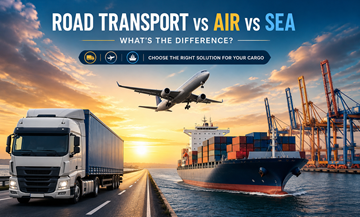
Each transport type has its own strengths and limitations. Road transport is flexible and widely used, air transport is the fastest, and sea transport is the most cost-effective for large volumes. In this guide, we explain how each method works and when to use it.
What Is Road Transport?
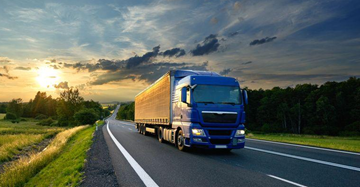
Road transport involves moving goods using vehicles such as vans, trucks, and trailers. It is the most common transport method in Europe due to its flexibility and direct door-to-door delivery capabilities.
- Used for short and medium distances
- Ideal for domestic and intra-European deliveries
- Supports Express, FTL (Full Truck Load), and LTL (Less Than Truck Load)
- Allows real-time tracking and flexible routing
Road transport is essential for last-mile delivery and is often combined with other transport modes such as sea or air.
What Is Air Transport?
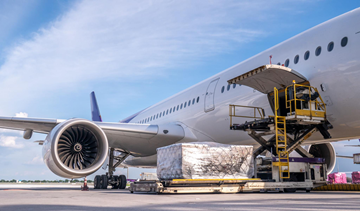
Air transport uses cargo planes to move goods quickly over long distances. It is the fastest transport method and is commonly used for urgent or high-value shipments.
- Fastest delivery method (hours to 1–2 days)
- Ideal for urgent shipments and perishable goods
- Used for international and intercontinental transport
- Higher cost compared to other transport types
Air transport is widely used in industries such as pharmaceuticals, electronics, and e-commerce where speed is critical.
What Is Sea Transport?
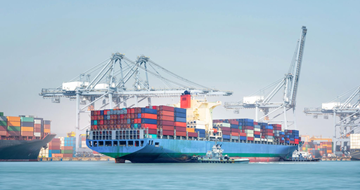
Sea transport (also known as maritime shipping) involves transporting goods via container ships across oceans and seas. It is the most cost-efficient method for large and heavy cargo.
- Best for large volumes and heavy goods
- Lowest cost per unit
- Suitable for international and global trade
- Longer transit times (days to weeks)
Sea transport is the backbone of global trade and is commonly used for bulk goods, containers, and industrial shipments.
Key Differences Between Road, Air, and Sea Transport
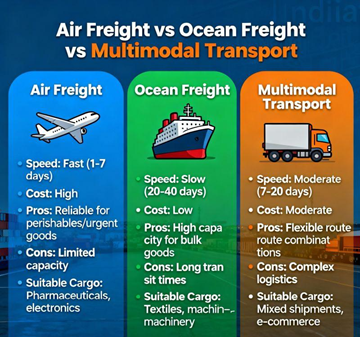
Each transport method differs in terms of speed, cost, flexibility, and capacity. Choosing the right one depends on your shipment type, budget, and delivery deadline.
- Speed: Air (fastest) → Road → Sea (slowest)
- Cost: Sea (cheapest) → Road → Air (most expensive)
- Flexibility: Road (most flexible) → Air → Sea
- Capacity: Sea (largest capacity) → Road → Air
In practice, businesses often balance these factors depending on urgency and shipment size. For example, road transport is commonly used for regional deliveries in Europe, while sea freight is preferred for large international shipments. Air transport, although expensive, is the best option when delivery time is critical.
When to Use Road Transport
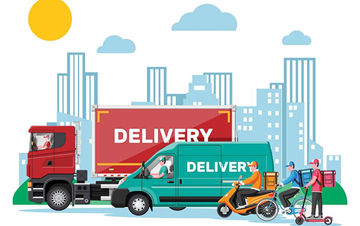
Road transport is the best choice when flexibility and direct delivery are important. It is ideal for regional logistics and short delivery times within Europe.
- Local and regional deliveries
- Door-to-door shipments
- E-commerce and distribution services
- Small to medium cargo loads
This transport method is especially effective for last-mile delivery, where goods must reach the final destination quickly. It also allows real-time adjustments, making it highly adaptable for dynamic logistics operations.
When to Use Air Transport
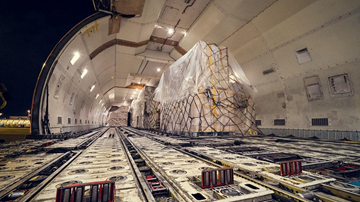
Air transport should be used when speed is critical and the value of goods justifies the higher cost.
- Urgent shipments
- High-value goods (electronics, medical equipment)
- Perishable products (food, pharmaceuticals)
- International express delivery
Although air freight is more expensive, it significantly reduces transit time and risk of delays. It is commonly used by industries where timing and product integrity are essential.
When to Use Sea Transport
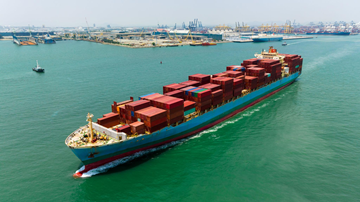
Sea transport is the best option for transporting large quantities of goods at a lower cost, especially for long-distance international trade.
- Bulk shipments and containers
- Heavy machinery and industrial goods
- Non-urgent deliveries
- Global import/export operations
Sea freight is the backbone of global logistics, allowing companies to move massive volumes efficiently. While transit times are longer, the cost savings make it the preferred option for large-scale shipments.
Combined Transport (Multimodal Logistics)
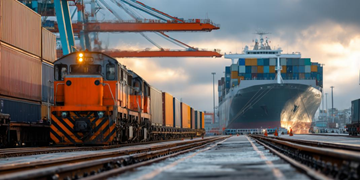
In many cases, logistics companies combine different transport methods to optimize delivery. This is known as multimodal transport.
- Sea + Road (port to final destination)
- Air + Road (airport to customer)
- Rail + Road (eco-friendly option in Europe)
Multimodal transport allows businesses to balance cost, speed, and efficiency.
Advantages and Disadvantages Overview
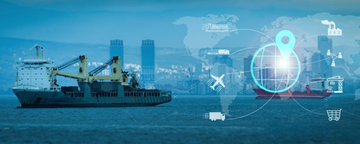
Understanding the pros and cons of each transport type helps you choose the most efficient solution.
- Road: Flexible and fast for short distances, but limited capacity
- Air: Extremely fast, but expensive
- Sea: Very cost-efficient, but slow and dependent on ports
Conclusion: Which Transport Type Is Best?
There is no single best transport method—it depends on your needs. If you need speed, choose air transport. If you want low cost for large shipments, choose sea transport. If you need flexibility and direct delivery, road transport is the best option.
In modern logistics, the best results often come from combining multiple transport methods. Platforms like ExusTrans help connect customers with carriers to find the most efficient transport solution across Europe and beyond.
FAQ – Road vs Air vs Sea Transport
Which transport method is the fastest?
Air transport is the fastest method, often delivering goods within hours or one day.
Which transport method is the cheapest?
Sea transport is usually the cheapest option, especially for large shipments.
Which transport method is best for Europe?
Road transport is the most commonly used method in Europe due to its flexibility and developed infrastructure.
Can I combine different transport methods?
Yes, multimodal transport combines road, air, and sea to optimize cost and delivery time.
Which transport is best for small shipments?
Road transport or air transport is best for small shipments depending on urgency.
eXus Dev